
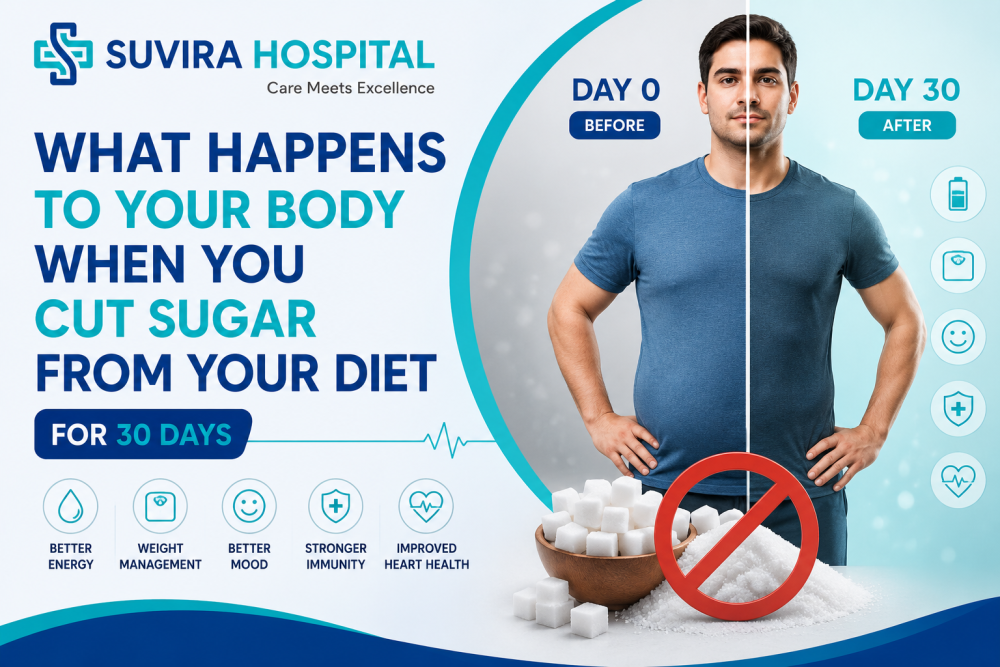
Cutting sugar from your diet for 30 days triggers a powerful transformation across both body and mind. The results can feel dramatic, ranging from initial cravings and irritability to improved energy, clearer skin, weight loss, and better mental clarity. Here’s an in-depth guide on what happens when you cut sugar for 30 days and the science behind each stage of your body’s reset.
The Initial Phase: Sugar Withdrawal (Days 1–7)
Removing sugar from your daily food and drink can be surprisingly challenging in the first week. This is mainly because sugar activates the brain’s reward system, causing real cravings.
-
Common early symptoms include irritability, mood swings, tiredness, headaches, and strong urges for sweet foods.
-
Your brain, having relied on sugar for dopamine surges, temporarily registers the change as loss, which can lead to feelings of mild anxiety or fatigue.
-
If you consumed large quantities of sugar prior, withdrawal can also bring symptoms like foggy thinking and restlessness.
The good news: these initial symptoms usually fade as your body’s insulin and blood sugar levels begin to stabilize.
Week Two: Energy and Blood Sugar Stabilization
As you transition into week two without added sugar, the body starts showing deeper signs of balance.
-
Blood sugar levels become more stable. With sugar spikes and crashes gone, you may notice fewer bouts of low energy and a general improvement in mood.
-
Energy slumps disappear. Many people report no longer experiencing the afternoon “crash” that follows a high-sugar lunch or snack.
-
Food cravings reduce significantly, making it easier to stick to more nourishing, whole foods.
-
Some people already notice improvements in digestion and a reduction in bloating.
With insulin levels returning to normal, the body also becomes better at burning stored fat for energy, potentially resulting in the first signs of weight loss.
Week Three: Visible Physical Changes
Around days 15–21, the most visible external changes often begin.
-
Skin may clear up and improve. Sugar drives inflammation and contributes to acne and dullness; cutting it out produces a more radiant complexion and fewer breakouts.
-
Weight loss becomes noticeable. Consuming fewer calories from sugary foods and drinks, and experiencing better fat metabolism, many notice their clothes begin to fit better.
-
Reduced water retention and bloating. Sugar causes your body to retain water; without it, your body feels less puffy and more defined.
-
Stable, sustained energy is now more reliable through your entire day.
Week Four: Long-term Benefits Set In
By days 22–30, profound internal and external changes are much more established.
-
Cravings for sugar are dramatically reduced. Many find that foods and drinks they once loved now taste overwhelmingly sweet, making it easy to avoid them.
-
Mental clarity and focus improve. Less sugar means fewer mental highs and lows; people often feel more alert, less foggy, and mentally sharper.
-
Appetite control and portion sizes stabilize. Without constant hunger triggered by blood sugar swings, it’s easier to eat mindfully.
-
Digestive health improves. The gut benefits from less sugar-fed bad bacteria, reducing gas and discomfort while promoting nutrient absorption.
-
Better sleep patterns emerge. Many report falling asleep more easily and benefiting from deeper, restorative rest.
Clinically Proven Health Improvements
1. Weight Management
-
Most people experience some weight loss (often 3–7 pounds or more), especially around the waist, as the body taps into stored fat, and overall calorie intake decreases.
2. Clearer, Glowing Skin
-
Sugar accelerates aging and inflammation through glycation—a process that damages collagen. Removing sugar often means fewer breakouts, reduced puffiness, and a healthier glow.
3. Enhanced Liver and Kidney Health
-
The liver, which is taxed heavily by excess sugar (especially fructose), begins to heal. Fatty liver changes can start reversing, and kidney efficiency improves as sugar stress eases.
4. Stronger Immune System
-
Sugar suppresses immune response by weakening white blood cells. After 30 days, you may notice fewer colds and better resilience against infection.
5. Cardiovascular Health
-
Blood pressure, cholesterol, and inflammation markers begin to improve, reducing long-term risk for heart disease.
6. Improved Mental Health
-
Mood swings, anxiety, and irritability tied to sugar highs and lows decline. Clearer thinking, better memory, and increased mental energy are common benefits.
7. Better Dental Health
-
Less sugar exposure means fresh breath, reduced plaque, decreased tooth sensitivity, and lower risk of cavities or gum inflammation.
Tips for Succeeding with a 30-Day No Sugar Challenge
-
Stock up on whole foods: Focus on vegetables, fruits with low glycemic index, whole grains, lean proteins, healthy fats, and nuts.
-
Read labels: Even “healthy” processed foods often include hidden sugars in forms like syrup, glucose, maltose, or honey.
-
Replace sugary drinks: Hydrate with water, herbal teas, or infused waters.
-
Expect emotional ups and downs: Stay aware of cravings and moods—they are temporary and fade quickly.
-
Celebrate victories: Remind yourself how your body feels at each positive milestone.
What Happens After 30 Days?
Once you complete 30 days sugar-free, your relationship with sugar usually changes permanently. Most people report little desire to return to their old habits, enjoying a new sense of wellbeing and control over cravings. Your palate becomes more sensitive, appreciating natural sweetness in foods you once found bland. If you choose to reintroduce sugar, you’ll do so more consciously and in moderation.
Conclusion
Eliminating added sugar from your diet for 30 days unlocks transformative changes. The journey isn’t always comfortable at first, but the benefits—a healthier body, sharper mind, glowing skin, a more stable mood, and dramatically improved energy—make it one of the most rewarding health challenges you can undertake. By committing to this challenge, you pave the way for a healthier, more energized, and more vibrant future.